If you have been paying attention to the conversation around medically supervised weight management, you have probably encountered GLP-1 receptor agonists. These peptide-based therapies — including semaglutide and tirzepatide — have changed how physicians approach weight loss for patients who have struggled with conventional diet and exercise approaches alone. At The Modern Woman Med Spa …


If you have been paying attention to the conversation around medically supervised weight management, you have probably encountered GLP-1 receptor agonists. These peptide-based therapies — including semaglutide and tirzepatide — have changed how physicians approach weight loss for patients who have struggled with conventional diet and exercise approaches alone.
At The Modern Woman Med Spa in Santa Rosa, we offer physician-guided GLP-1 therapy as part of our whole-body approach to women’s wellness. This is not a quick fix, a shortcut, or a trend. It is a medically supported tool that, when prescribed and monitored correctly, can help your body cooperate with your efforts rather than resist them.
What Are GLP-1 Receptor Agonists?
GLP-1 stands for glucagon-like peptide-1. It is a hormone your body naturally produces in the cells lining your small intestine after you eat a meal. This naturally occurring hormone performs several important metabolic functions:
- Signals your brain’s hypothalamus that you have eaten enough, creating a feeling of fullness and satisfaction (satiety)
- Slows the rate at which food leaves your stomach and moves into the small intestine (gastric emptying), which extends how long you feel full after eating
- Stimulates insulin release from the pancreas in a glucose-dependent manner — meaning it helps regulate blood sugar when glucose is elevated without causing dangerous drops when glucose is normal
- Reduces glucagon secretion from the pancreas, which lowers the liver’s production and release of stored glucose into the bloodstream
GLP-1 receptor agonist medications are synthetic versions of this natural hormone, engineered to remain active in the body for much longer than the natural version (which is broken down within minutes). When administered, they mimic the action of GLP-1 at higher and more sustained levels than your body typically produces on its own. The result is a meaningful reduction in appetite, improved blood sugar regulation, and for many patients, sustained and significant weight loss.
How GLP-1 Therapy Produces Weight Loss
The weight loss mechanism of GLP-1 receptor agonists is both straightforward and multi-layered. When you receive a GLP-1 medication — typically administered as a once-weekly subcutaneous injection — it produces several effects simultaneously:
- Reduces hunger signals between meals, so you naturally eat smaller portions and feel less driven to snack without experiencing the willpower battle that characterizes most diets
- Increases the transit time of food through your stomach, meaning you feel satisfied and comfortable for longer periods after each meal
- Helps disrupt the cycle of cravings, emotional eating, and overconsumption that many women experience — particularly those dealing with hormonal fluctuations during perimenopause, menopause, or conditions like PCOS
- May reduce the brain’s reward response to certain foods, making it easier to make healthier choices without feeling deprived
Large-scale clinical trials have demonstrated impressive results. The STEP trials showed average weight loss of 12 to 17 percent of starting body weight over 68 weeks with semaglutide. The SURMOUNT trials showed even higher percentages with tirzepatide, which targets both GLP-1 and GIP (glucose-dependent insulinotropic polypeptide) receptors simultaneously. These are weight loss outcomes that were previously achievable only through bariatric surgery.
Who Is a Good Candidate for GLP-1 Therapy?
GLP-1 therapy is not appropriate for everyone, and it is not a first-line intervention for someone who is mildly overweight or has not yet attempted structured lifestyle modifications. At The Modern Woman Med Spa, Dr. Shazah Khawaja, Board-Certified OB-GYN, carefully evaluates each patient to ensure this therapy is both safe and appropriate. You may be a strong candidate if:
- Your body mass index (BMI) is 30 or higher, which is the clinical threshold for obesity
- Your BMI is 27 or higher with at least one weight-related comorbidity such as type 2 diabetes, hypertension, dyslipidemia, or obstructive sleep apnea
- You have made genuine, sustained efforts with structured diet and exercise programs without achieving or maintaining meaningful results
- You are dealing with hormonal weight gain related to perimenopause, menopause, polycystic ovary syndrome (PCOS), or thyroid dysfunction that makes conventional weight management significantly harder
- You want a physician-supervised, medically monitored approach rather than obtaining medication through an online pharmacy without proper oversight
What GLP-1 Therapy Looks Like at Our Santa Rosa Practice
We approach GLP-1 therapy differently than the prescription-and-refill model that has become common with online telehealth services. Our practice integrates it into a broader, personalized wellness plan.
Initial Assessment
We conduct a thorough review of your complete medical history, current medications and supplements, metabolic markers (fasting glucose, insulin, hemoglobin A1c, lipid panel), thyroid function, hormonal status, and detailed weight history. We want to understand the biological reasons your body has resisted previous weight loss efforts — whether the root cause is hormonal, metabolic, behavioral, genetic, or a combination of factors.
Medication Selection and Careful Dose Titration
We start at the lowest available dose and increase gradually over several weeks. This slow, methodical titration serves two purposes: it minimizes side effects (primarily nausea, which is the most common early complaint) and it allows your body to adjust to the medication’s effects at a manageable pace. Dr. Khawaja selects the specific medication formulation and dosing schedule based on your complete health profile, your tolerance, and your response.
Nutritional and Lifestyle Guidance
GLP-1 medications produce the best outcomes when paired with appropriate nutritional support. Because these drugs substantially reduce appetite, it is critically important to ensure you are still consuming adequate protein (to preserve lean muscle mass), sufficient fiber, essential vitamins and minerals, and enough total calories to support basic metabolic function. We provide specific guidance on how to eat well while eating less — protecting your muscle mass, bone density, and overall metabolic health throughout the weight loss process.
Ongoing Monitoring and Adjustment
We schedule regular check-ins — typically every two to four weeks during the titration phase and monthly thereafter — to track your progress, monitor lab values, adjust dosing as needed, and address any side effects or concerns. Weight loss is rarely linear, and having a physician who understands the metabolic nuances and can adjust the plan accordingly makes a genuine difference in long-term outcomes.
Common Side Effects and How We Manage Them
The majority of side effects associated with GLP-1 therapy are gastrointestinal in nature and strongly related to the dose and titration speed. They tend to be most noticeable in the first two to four weeks of treatment and typically diminish as your body adjusts:
- Nausea: The most frequently reported side effect, occurring in roughly 40 to 50 percent of patients at some point during titration. It is usually mild, manageable with smaller meals, adequate hydration, and careful dose increases. Severe nausea is uncommon with proper titration
- Constipation or diarrhea: Can occur as the medication alters gastric motility. Adequate fiber intake and hydration are the primary management strategies
- Decreased appetite: This is the intended therapeutic effect, but some patients find the appetite suppression more dramatic than anticipated in the early weeks. Eating small, protein-rich meals on a regular schedule helps ensure adequate nutrition
- Fatigue: Occasionally reported during the first week or two, typically related to reduced caloric intake and metabolic adjustment. This generally resolves as the body adapts
- Injection site reactions: Mild redness, itching, or tenderness at the injection site. Typically minor and self-resolving
Serious side effects are rare but important to be aware of. We screen for specific risk factors — including personal or family history of medullary thyroid carcinoma or multiple endocrine neoplasia type 2, history of pancreatitis, active gallbladder disease, and severe gastrointestinal conditions — before prescribing any GLP-1 medication.
GLP-1 Therapy and Women’s Hormonal Health
For women specifically, weight management is rarely a simple equation of calories consumed versus calories burned. Hormonal fluctuations at virtually every life stage can profoundly influence how and where your body stores fat, how efficiently it burns fuel, and how strongly it resists weight loss efforts.
GLP-1 therapy can be especially beneficial for women who:
- Have gained weight during perimenopause or menopause despite maintaining the same dietary habits and exercise routine that previously kept their weight stable
- Store fat predominantly in the abdominal area (visceral fat), which carries significantly higher metabolic and cardiovascular risk than peripheral fat
- Have been diagnosed with or show signs of insulin resistance or prediabetes
- Feel genuinely frustrated because their body seems to be working against every effort they make
Because Dr. Khawaja specializes in women’s health, she can evaluate the complete hormonal context alongside the weight management plan — assessing estrogen, progesterone, testosterone, thyroid function, and insulin sensitivity as part of the same clinical picture. This integrated approach is something many general prescribers or online telehealth services do not provide.
What GLP-1 Therapy Does Not Do
Honest communication about limitations is essential. GLP-1 therapy:
- Is not a substitute for healthy eating patterns and regular physical activity. It supports and amplifies those efforts — it does not eliminate the need for them
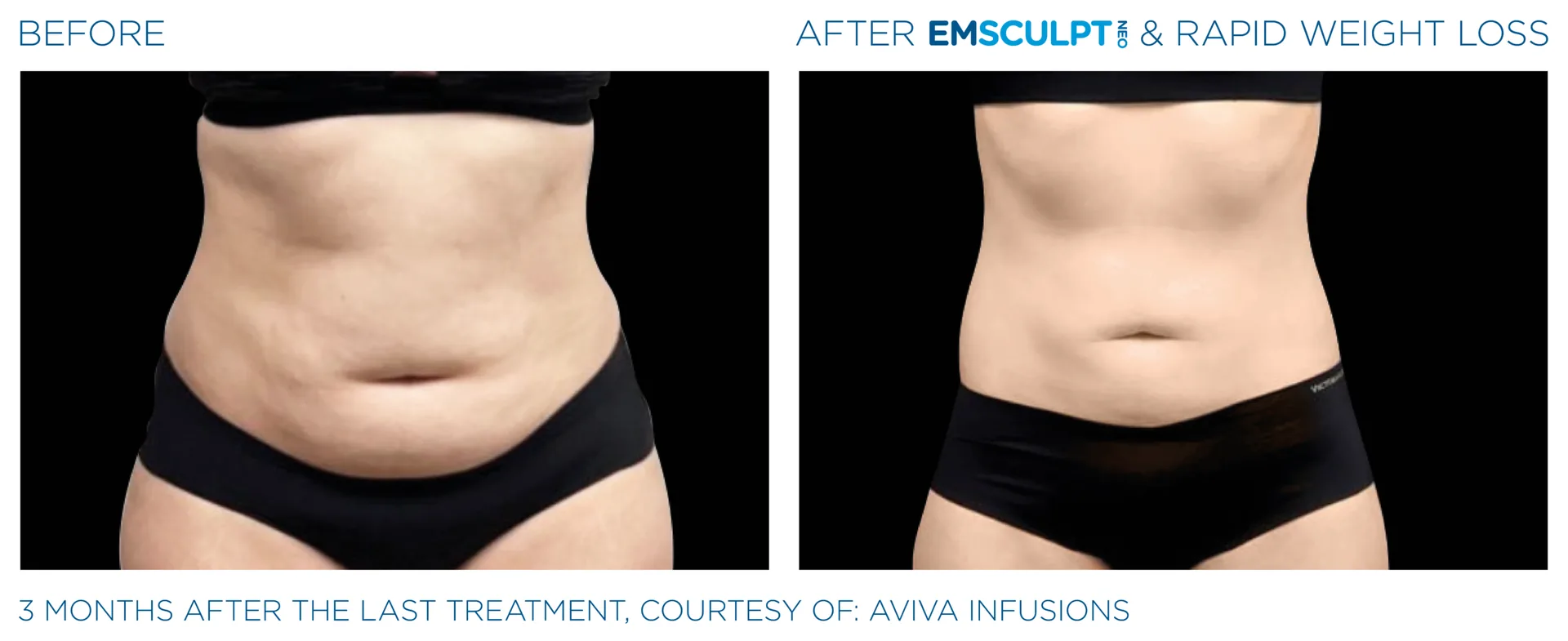
- Does not tone, tighten, or sculpt your body. For those goals, treatments like Emsculpt NEO can complement your weight loss results beautifully
- Is not necessarily a lifelong commitment for every patient. Some women use it as a metabolic reset tool — losing the weight, establishing new habits, and then transitioning to lifestyle maintenance alone
- Does not address the emotional, psychological, or behavioral dimensions of eating on its own. For women whose relationship with food is complex, counseling, behavioral therapy, or support groups can be valuable additions to the medical protocol
Combining GLP-1 Therapy with Other Treatments
Many patients in our Santa Rosa practice choose to pair GLP-1 therapy with other services at The Modern Woman Med Spa to address the full picture of their goals:
- Emsculpt NEO: As you lose fat, Emsculpt NEO can build and define muscle in the abdomen, buttocks, and arms — creating the toned, strong physique that weight loss alone does not produce
- Functional medicine: Identifying and addressing underlying hormonal imbalances, nutrient deficiencies, and metabolic dysfunction creates a foundation for more sustainable, lasting results
- T-Shape 2: For cellulite, skin texture concerns, and lymphatic drainage issues that may become more visible as subcutaneous fat decreases
- Morpheus8: For skin laxity that can develop after significant weight loss, particularly in the face, neck, and abdomen
Schedule a Private Consultation
If you have been struggling with weight that does not respond to your most disciplined efforts, GLP-1 therapy may be the medically supported tool your body needs. Schedule a consultation at The Modern Woman Med Spa in Santa Rosa. Dr. Khawaja will evaluate your health thoroughly, discuss your options with full transparency, and help you determine whether this approach genuinely fits your goals, your health profile, and your life.
Call us at 707-579-1102 or visit us at 990 Sonoma Ave, Suite 18, Santa Rosa, CA 95404.
Book an Appointment
It’s easy and free!